
To get off to a good start buying secondhand clothing, remember three habits: pick a reliable channel (thrift store, peer-to-peer platform, or a shop that inspects its own pieces), always check the condition and flat measurements before paying, and plan a starter budget rather than one big first purchase. You'll pick it up fast — here's how to dodge the classic beginner pitfalls.
Secondhand is never anonymous. A jean or a jacket already has a life before it reaches you — a bit like that Avirex leather jacket the ShopTonOutfit team found at a flea market, which had belonged to a family's son, a young guy who'd gone off to the army before selling it. That's the dimension that changes everything compared to new: you're not just buying a garment, you're picking up an object that already has a story.
Where should you buy your first secondhand clothes?
Three main channels exist: physical thrift stores (you touch and try things on), peer-to-peer platforms like Vinted or Leboncoin (huge selection, negotiable prices), and shops that inspect every piece before listing it (measurements taken, condition rated). To start without a bad surprise, begin with a channel that limits the risk of getting it wrong.
| Channel | Advantages | Limitations |
|---|---|---|
| Physical thrift store | You touch and try before buying, often low prices, unique finds | Longer searches, stock changes daily |
| Peer-to-peer platforms | Near-unlimited selection, often negotiable prices | No trying on, seller reliability varies a lot |
| Shops that inspect their pieces | Measurements taken by hand, condition clearly rated, returns generally possible | Slightly higher prices than raw thrift finds |
If you want to dig specifically into sourcing vintage denim (Levi's, Carhartt…), the guide where to buy authentic vintage jeans online breaks down the best spots channel by channel.
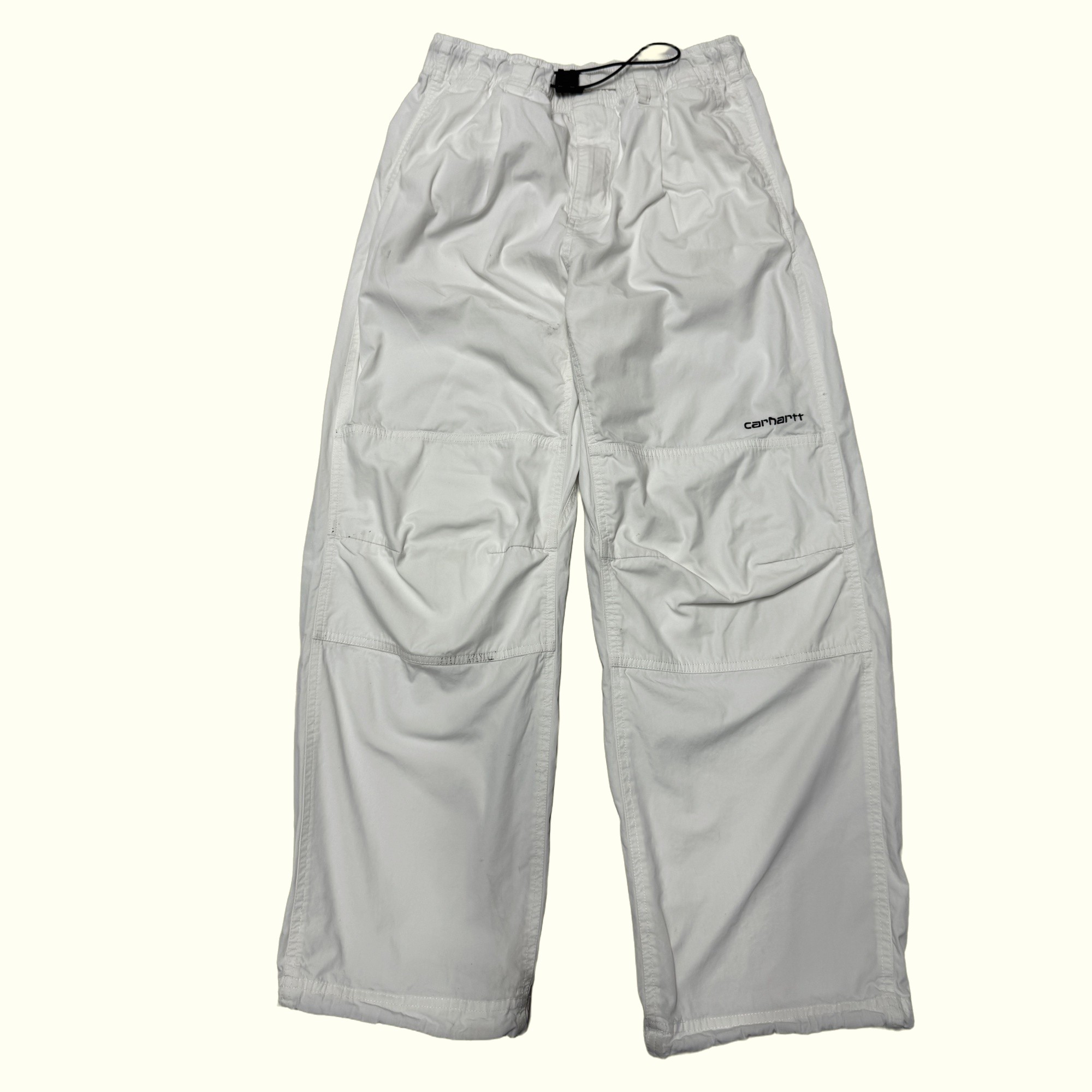
At ShopTonOutfit, for example, what's flying off the shelves right now is roomy workwear from Carhartt and Dickies along with dark indigo raw denim — a sign that demand for baggy cuts stays strong with beginners as much as with regulars.
How do you check the condition and authenticity of a piece?
Before buying, look at the seams (threads coming loose), the fabric (holes, stains, uneven fading), the labels (brand, size, care) and the overall consistency of the piece. A clear rating system — like the /10 used by some inspected shops — helps you compare objectively without having the piece in front of you.
At ShopTonOutfit, every piece is measured by hand and rated out of 10: an 80s Levi's 501, for example, rated 7/10 "very good condition," means a jean that's lived a little — some patina, a few marks of wear — but no structural damage. This isn't a universal standard across every shop, but it gives you an idea of the bar to look for elsewhere.
For authenticity specifically on denim, the guide how to spot a real vintage Levi's or Carhartt from a fake covers the markers to check point by point. And if vintage jeans become your gateway into secondhand, our complete vintage jeans guide covers everything, from buying to care.
How do you find your size without trying it on?
The basic rule: forget the size on the label, it may have shifted across decades and brands. Measure the garment flat instead. For pants: waist x2 flat, plus the inseam length. Then compare those numbers to a jean you already own and that fits well.
Vintage-specialist shops generally list sizes in W/L (waist/length, in inches) rather than French sizing — a more reliable reference since it comes from an actual measurement rather than a standard that's shifted over the decades. The guide finding your American pants size easily covers the flat-measuring method step by step.
What budget should you plan for starting out?
You don't need a big budget to get started: count on roughly €20-30 for an entry-level piece (a more recent jean, decent condition), €50-90 for better-kept workwear or denim, and above €100 for genuinely older, highly-rated pieces. Start small, sharpen your eye, then move up in range as you go.
As an example, at inspected shops like ShopTonOutfit, a more recent Levi's (2000s, decent condition) starts around €25-30, while a real 80s Levi's 501 in very good condition climbs closer to €100-120. These are reference points, not a universal rule: every shop sets its prices based on the piece's actual rarity and condition. To compare, you can browse available pieces or filter directly by Levi's if that's your entry-point brand.
How do you care for your first vintage pieces?
A secondhand garment has already survived several years — your job is to not speed up its wear. The safest rule: cold machine wash, piece turned inside out, air dried rather than machine dried, which damages fibers and colors far faster.
That's exactly the process the ShopTonOutfit team applies to every piece before putting it back on sale: cold wash, inside out, air dried. Nothing more, nothing less — but applied consistently, it changes how long a jean or a piece of workwear lasts. The guide caring for and washing your vintage jeans covers the full routine, wash frequency included.
What checklist should you follow before your first purchase?
- Check the flat measurements (waist x2 + inseam), never the size on the label alone
- Look at photos of the seams, fabric and labels from several angles
- Look for a clear condition rating (like /10) or ask the seller directly
- Compare the price to actual rarity and condition, not just the brand
- Plan a starter budget (€20-30) for your first piece, don't jump straight to high-end
- Wash your new piece cold, inside out, air dried, before wearing it
FAQ — your questions about buying secondhand clothing
Is secondhand clothing safe to wear?
Yes, as long as you wash it before wearing it (cold, inside out). Reputable shops and platforms describe the piece's actual condition; if you're unsure about a stain or a smell, you can always ask the seller directly before buying.
Do you need a big budget to get started?
No. You can start around €20-30 for a solid first piece, and move up in range as you go, once you know how to spot good condition and a cut that suits you.
How do you know if a piece is really vintage?
The term generally covers pieces from the 80s through the early 2000s. Labels, weave and finishings give clues, but for denim specifically, it's better to follow a dedicated checklist than a single isolated detail.
What if the size doesn't match once it arrives?
Check the seller's or platform's return policy before buying. Shops that measure their pieces flat greatly reduce this risk, but some discrepancy is always possible on an older piece.